

-
Customer Centric Supply Chain Planning
Decision Processes
-




Optimize material availability, supplier performance, and purchasing decisions
Procurement planning is the process of determining material requirements, purchase quantities, supplier commitments, and purchasing timelines in alignment with demand, inventory policies, production needs, budgets, and supply constraints.
ICRON Procurement Planning helps organizations determine what to buy, when to buy, how much to buy, and from which suppliers. It uses AI-native optimization to turn demand, inventory, production, supplier, financial, and risk requirements into coordinated purchase plans that are ready for execution. As conditions change, teams can evaluate alternatives, adjust plans, and govern procurement decisions while maintaining control over the final outcome.
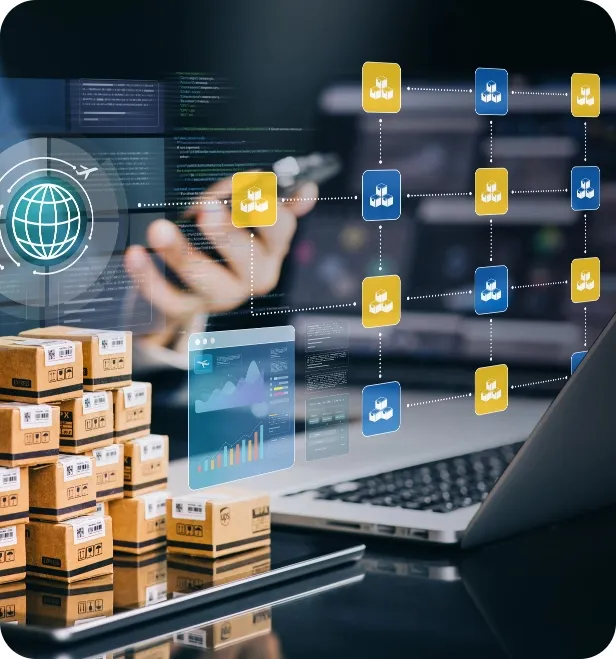
ICRON supports procurement planning by helping organizations determine what to buy, when to buy, how much to buy, and how procurement decisions affect downstream production, inventory, and customer demand.
ICRON Procurement Planning supports decisions in these key areas:
Procurement teams must balance material availability, supplier reliability, purchasing costs, demand changes, and inventory targets at the same time. When these decisions are handled manually or across disconnected systems, organizations can face delayed purchases, excess stock, supplier misalignment, and costly expedited orders.
ICRON supports procurement planning by enabling organizations to:
Create purchase plans that reflect material requirements, stock policies, supplier constraints, and purchasing parameters
Connect material purchases with finished goods orders, forecasts, inventory levels, and production requirements
Automate purchase proposals while considering stock levels, shelf life, replenishment policies, and material rules
Evaluate procurement risks, supplier performance, contract conditions, and sourcing accuracy in one planning environment
ICRON delivers AI-native procurement planning capabilities that support strategic, tactical, and operational purchasing
decisions across complex supply chains.

- Optimize sourcing and formulation decisions for process industries
- Balance raw material availability, quality requirements, cost, and carbon factors
- Generate feasible blend options based on specifications and operational constraints
- Connect procurement, inventory, transportation, and quality data in one planning environment

- Short-, mid-, and long-term material requirement planning
- Parametric and multi-level purchase planning
- Raw and packaging material supply planning
- Forecast integration through parametric forecast netting
- Purchase proposals based on demand, stock levels, and replenishment policies

- Inventory critical level and control policy management
- Procurement decisions aligned with stock policies
- Shelf-life-aware purchasing decisions
- Material availability planning for production continuity

- Supplier plan adherence tracking
- Supplier performance, lead-time, and delivery reliability visibility
- Contract-aware procurement decisions
- Improved sourcing plan accuracy

- Contract lifecycle management from initiation to expiration
- Renewal and renegotiation alerts
- Supplier and contract visibility within the procurement planning process
- Better coordination across procurement, finance, and supply chain teams
- Procurement decisions aligned with financial goals
- Budget-aware purchasing recommendations
- Reduced expedited purchasing costs
- Better visibility into the cost impact of purchasing decisions


Procurement planning delivers measurable improvements in inventory cost, purchasing efficiency, supplier reliability,
and sourcing accuracy.
*Typical outcomes reported by customers. Results vary by industry, constraints, and planning horizon.
Procurement planning improves material availability, purchasing efficiency, supplier collaboration, cost control, and resilience by optimizing procurement decisions across the end-to-end supply chain.

ICRON Procurement Planning helps organizations create optimal purchase plans by evaluating material requirements, stock policies, supplier constraints, replenishment rules, and procurement risks. This enables teams to make purchasing decisions that are feasible, timely, and aligned with operational priorities.

Procurement planning supports proactive supplier collaboration by improving visibility into requirements, delivery expectations, supplier performance, and contract conditions. This helps procurement teams improve supplier plan adherence, strengthen supplier relationships, and support more reliable supply.
By evaluating supply risks, market changes, supplier delays, and demand fluctuations, procurement teams can respond before disruptions affect production or customer service. ICRON Procurement Planning helps teams assess risks and adjust purchasing decisions with greater confidence.

ICRON Procurement Planning helps teams prioritize purchase orders based on forecasts, material requirements, replenishment policies, inventory levels, and supply risks. This reduces last-minute purchasing decisions and supports smoother order execution.

By connecting procurement decisions with budget considerations, organizations can control purchasing costs while avoiding material shortages. This helps prevent overspending, reduce expedited purchasing, and improve financial discipline across procurement operations.

Procurement planning provides visibility into required material quantities and timing, helping teams understand when materials need to be purchased to meet production and customer demand. This reduces delays and supports continuity across the supply chain.
ICRON Procurement Planning helps procurement teams manage contract lifecycles from initiation to expiration. Alerts for renewals and renegotiations support timely action and help teams make purchasing decisions based on current supplier and contract conditions.

By linking material purchases with finished goods orders, forecasts, and production requirements, procurement teams can instantly assess how purchasing decisions affect downstream supply chain performance.
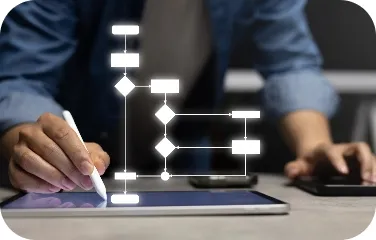
Automated purchase proposals help procurement teams improve speed and accuracy while considering stock levels, shelf life, inventory policies, and material management rules. This reduces manual work and supports more consistent procurement decisions.






Procurement planning software provides capabilities that help organizations optimize purchasing decisions across strategic, tactical, and operational levels.
These features support material availability, supplier collaboration, inventory alignment, purchasing accuracy, and informed decision-making across the procurement process.
Flexible, automatic purchase proposals considering critical inventory levels, shelf-life, and inventory control policies to prevent stock-outs
Time-based inventory control policy management for:
Procurement planning reduces inventory holding costs by aligning purchase quantities with actual material requirements, stock policies, replenishment needs, and supplier lead times. This helps organizations avoid excess inventory while ensuring that raw and packaging materials remain available for production.
Procurement planning reduces expedited purchasing costs by giving teams earlier visibility into material shortages, supplier delays, and demand changes. With proactive purchase proposals and risk-aware planning, organizations can reduce last-minute orders, premium freight, and urgent supplier interventions.
Procurement planning improves supplier plan adherence by connecting purchase plans with supplier lead times, delivery reliability, contract conditions, and material requirements. This helps procurement teams share more accurate requirements with suppliers and track whether suppliers deliver according to plan.
Procurement planning software optimizes decisions such as what to buy, when to buy, how much to buy, and which supplier to use. It also helps teams evaluate purchasing costs, inventory targets, supplier constraints, lead times, contract terms, and material availability risks.
Procurement planning connects purchasing with production, inventory, and demand by linking material requirements to finished goods orders, forecasts, stock policies, and production plans. This ensures that purchasing decisions support production continuity and customer service requirements.
Scenario-based procurement planning is the process of comparing different purchasing strategies under changing conditions such as demand shifts, supplier delays, price fluctuations, capacity constraints, or material shortages. It helps procurement teams understand the cost, inventory, service, and risk impact of each option before making a decision.
Companies should use procurement planning software when material availability, supplier reliability, purchasing costs, inventory targets, and demand variability need to be managed together. It is especially valuable for organizations with complex supplier networks, multiple sites, long lead times, raw material constraints, or frequent demand changes.
Procurement planning is a continuous decision process because demand, inventory levels, supplier performance, material availability, and market conditions change over time. Continuous procurement planning helps organizations update purchase plans regularly and respond faster to supply chain disruptions.
ICRON AI-native decision execution platform helps procurement teams manage supply disruptions by identifying material risks, supplier delays, inventory shortages, and demand changes before they affect production or customer service. The platform supports scenario-based planning so teams can compare alternative purchasing and sourcing options.
AI-native procurement planning combines AI, optimization, industry knowledge, and governed workflows to support decisions from analysis through execution. Rather than only recommending what procurement teams should do, it helps translate approved decisions into coordinated purchase plans and actions across procurement, inventory, production, and finance.
ICRON converts demand, inventory, supplier, production, cost, and risk requirements into optimized purchase plans. These plans specify what materials are needed, when they should be purchased, in what quantities, and from which suppliers. As conditions change, teams can update the plan, compare alternatives, and coordinate approved actions across the supply chain.
Governed AI helps procurement teams evaluate supplier risks, material availability, market changes, costs, and operational consequences while maintaining human oversight. Business rules, risk thresholds, approval workflows, and optimization models help ensure that sourcing decisions remain explainable, feasible, and aligned with organizational priorities.
Procurement planning fits into the broader supply chain planning process by ensuring that material purchasing decisions support demand plans, inventory targets, production schedules, and customer service goals. It acts as the link between supplier commitments and the organization’s operational requirements.
Integrated supply chain planning solutions connect procurement planning with S&OP, inventory planning, and production planning by using shared data, constraints, and planning assumptions. ICRON supports this connection by aligning material requirements, purchase plans, supplier constraints, inventory policies, and production needs in one planning environment.
Supply chain planning tools with procurement optimization, scenario planning, embedded analytics, and sustainability modeling help companies balance cost, service, inventory, and sustainability in procurement decisions. ICRON supports these trade-offs by helping teams evaluate purchasing strategies against financial, operational, risk, and sustainability objectives.
Procurement planning supports cross-border and multi-site supply chains by coordinating material requirements, supplier lead times, inventory policies, and purchasing decisions across locations. This helps organizations manage regional demand differences, supplier constraints, logistics complexity, and material availability across the network.
Procurement planning typically requires data on material requirements, forecasts, inventory levels, stock policies, supplier lead times, supplier performance, purchase orders, contracts, prices, and replenishment rules. More detailed data improves planning accuracy, but organizations can start with core procurement, inventory, and demand data and increase model detail over time.
Organizations with complex material requirements, multiple suppliers, long lead times, variable demand, production dependencies, or strict inventory targets benefit most from procurement planning software. It is especially useful for manufacturers and supply chain organizations that need to manage raw materials, packaging materials, supplier risk, and purchasing costs together.
Procurement planning is critical for long-term supply chain performance because material availability directly affects production continuity, inventory efficiency, supplier reliability, cost control, and customer service. Strong procurement planning helps organizations reduce disruptions, improve sourcing accuracy, and build more resilient supply chains.
Procurement planning supports better supplier collaboration by giving procurement teams clearer visibility into material requirements, purchase timing, supplier performance, contract terms, and demand changes. This allows organizations to communicate more accurate plans to suppliers, improve delivery reliability, and strengthen long-term supplier relationships.
ICRON Demand empowers businesses to navigate uncertainty through accurate forecasting using AI-driven methods that take into consideration historical data, real-time updates, and fast adaptation to changing market conditions and disruptions.
READ MORE


