

MENU
Request Demo
Industries

Food & Beverage
Supply Chain Planning

Food and beverage manufacturers operate in environments where demand shifts quickly, product freshness matters, and production processes must adapt to changing raw material availability. Variability in ingredient quality, shelf-life constraints, regulatory requirements, and tight delivery windows create planning challenges that require coordinated decisions across procurement, production, inventory, and distribution.

ICRON Customer Centric Supply Chain Planning provides a structured, AI-driven approach to

managing these interdependencies. The software evaluates demand, supply, capacity, and operational constraints simultaneously, enabling planners to generate reliable production and sourcing decisions under real-world conditions.

Rather than relying on static plans, the software connects planning directly to execution by continuously validating plans against capacity, material availability, and quality constraints, enabling reliable operations under changing conditions.

Request Your Personalized Demo
Milk bottles conveyor

Core Planning Decisions in Food and Beverage Operations

Effective planning in food and beverage environments depends on making coordinated decisions across multiple operational layers. These decisions directly affect production efficiency, product quality, and delivery reliability.

The platform supports planners in answering critical operational questions such as:

  • Maintain continuous flow of critical products, even under volatile demand

  • Synchronize production with resource and maintenance constraints

  • Respond instantly to unexpected events or market shifts

  • Minimize changeover losses and reduce waste

  • Keep service levels high while lowering inventory and cost


By modeling these decisions together, the system ensures plans remain feasible, synchronized, and operationally reliable.

Planning Challenges in Food and Beverage Supply Chains

Food and beverage operations face a unique combination of production, quality, and logistics constraints. Planning systems must account for these constraints simultaneously to produce executable schedules.

Raw Material Variability

Ingredient quality, yield, and availability can vary between batches, suppliers, and seasons. Planning decisions must adapt to these variations while maintaining consistent product standards.

Shelf-Life and Freshness Constraints

Products often have limited shelf life, requiring careful coordination between production timing, inventory levels, and distribution schedules.

Cleaning and Changeover Requirements

Production lines frequently require cleaning between product runs to prevent contamination and maintain regulatory compliance. These changeovers reduce available capacity and must be carefully scheduled.

Demand Volatility and Product Mix Changes

Customer demand patterns can change rapidly due to promotions, seasonal demand, or market fluctuations. Production and inventory plans must adapt quickly without disrupting operations.

Regulatory and Quality Compliance

Food safety and regulatory requirements impose strict constraints on production processes, ingredient usage, and product traceability.

From Planning to Decision Execution in Food and Beverage Operations

In food and beverage manufacturing, planning accuracy alone is not sufficient. Decisions must remain executable under changing production conditions, material variability, and operational constraints.

Production environments change constantly. Equipment availability shifts. Ingredient quality varies. Demand patterns evolve. Plans that cannot adapt quickly create operational disruption.

The platform continuously evaluates whether planned decisions can be executed in real time. When conditions change, the system recalculates feasible alternatives that maintain production stability, product quality, and delivery commitments.

This approach ensures that planning decisions translate directly into reliable operational outcomes.

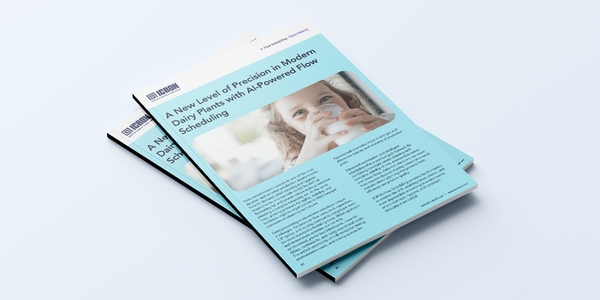
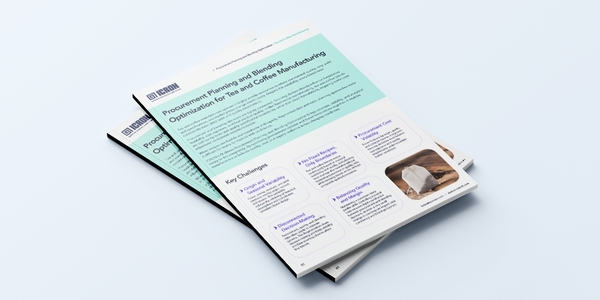
Going Beyond Supply Chain Planning: ICRON Procurement Planning & Blending Optimization

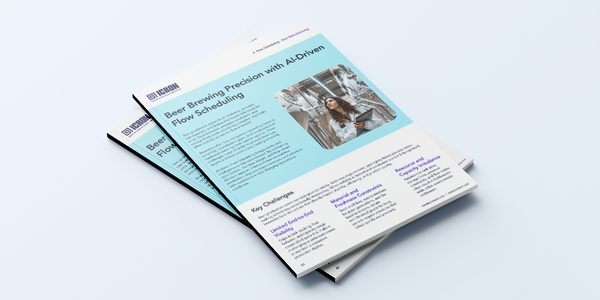
Get The Brochure

Proven Results Across Food and Beverage Operations

From production and blending to procurement and capacity planning, these outcomes show how organizations execute decisions
reliably under real operational constraints.

Customer Story

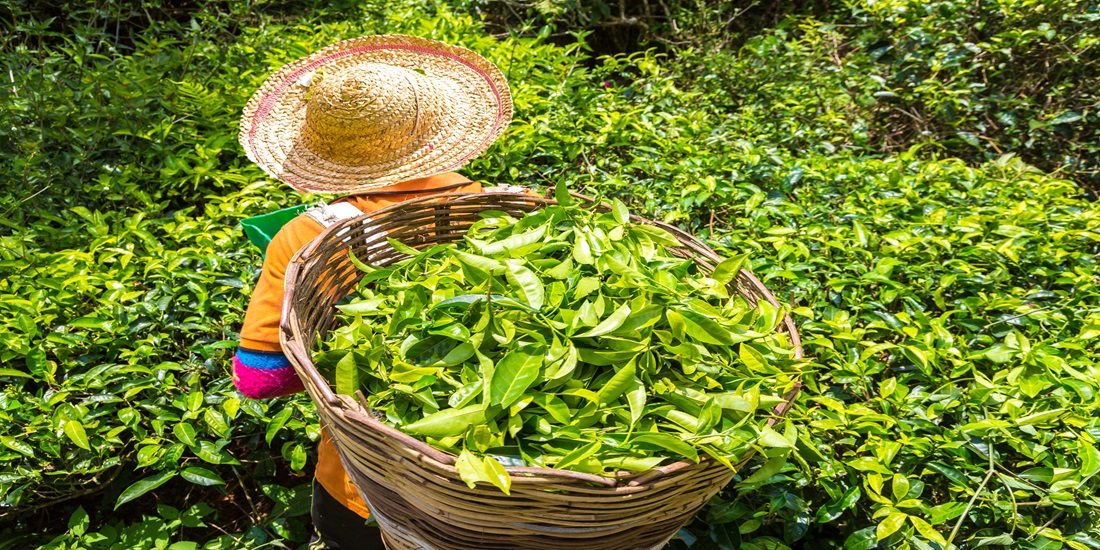
Lipton Teas and Infusions - Achieved 96% Demand Satisfaction While Reducing Procurement Costs

  • • 96% demand satisfaction across global operations

  • • 30% reduction in procurement costs

  • • 5% reduction in worldwide inventory levels

  • • Optimization run time reduced from 180 minutes to 15 minutes

Read The Customer Story
Customer Story

Global Coffee Manufacturer - Strengthened Service Reliability and Reduced Procurement Costs

  • • Higher demand satisfaction across markets

  • • Reduced procurement-related costs through better requirement visibility

  • • Faster and clearer scenario comparison

  • • Better understanding of backlog and service risks

Read The Customer Story
Customer Story

Global Beer Manufacturer - Improved Capacity Utilization and Freshness Control Across Production

  • • Increased capacity utilization by up to 5%

  • • Improved balance between freshness requirements and inventory coverage

  • • Faster scenario evaluation across demand and stocking strategies

  • • Stronger visibility into production bottlenecks and constraints

Read The Customer Story

How ICRON Supports Food and Beverage Operations

The software coordinates planning decisions across procurement, production, and inventory management within a single optimization environment. This integrated approach ensures that decisions made in one area remain consistent with operational realities in others.

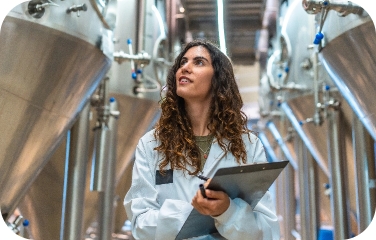
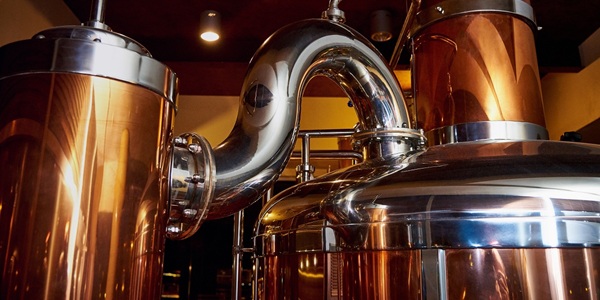
A production manager reviews tank operations to support efficient scheduling and sequencing.

Production Scheduling And Sequencing

The system generates feasible production schedules that respect capacity limits, changeover requirements, and product sequencing constraints.

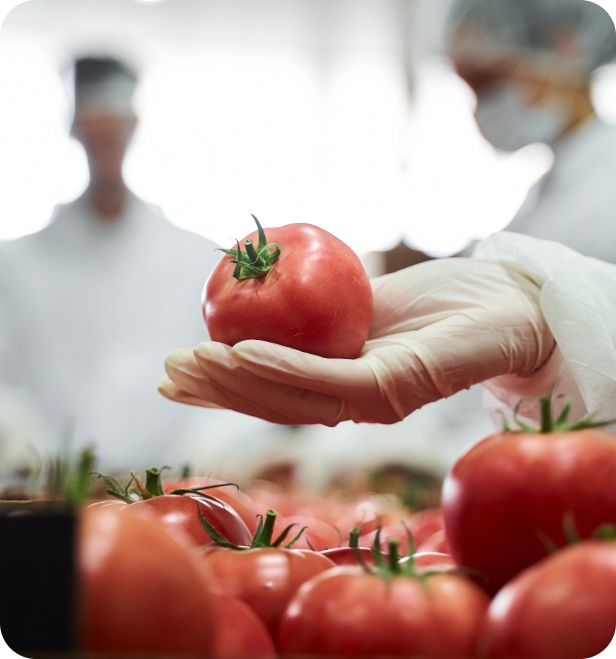
A quality analyst inspects production output to help maintain shelf life and product freshness.

Shelf-Life And Freshness Management

Inventory decisions consider product aging, expiration dates, and storage conditions to maintain product quality and minimize waste.

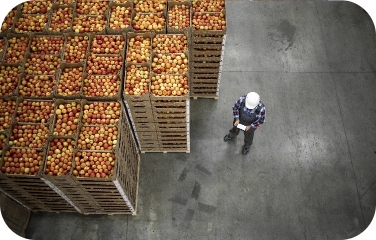
Workers handle ingredients in a warehouse to support allocation and batch planning decisions.

Ingredient Allocation And Batch Planning

Raw materials and ingredients are assigned to production runs based on availability, quality specifications, and demand requirements.

Plant staff discuss production conditions to align capacity and resource planning.

Capacity And Resource Planning

Production capacity, labor availability, and equipment constraints are evaluated simultaneously to ensure schedules remain achievable.

A beverage production check supports scenario-based planning across sourcing, inventory, and operations.

Scenario-Based Planning

Planners can evaluate alternative production, sourcing, or inventory strategies to understand operational impact before implementing changes through scenario-based planning.

Speak With Our Supply Chain Experts To Discuss Your Challenges

Every Operational Decision Is Designed for Execution

Reliable food and beverage operations require decisions that are not only optimized, but executable under real production conditions such as shelf-life constraints, ingredient variability, and production changeovers.

Every operational decision generated by the platform is:

AI-Driven

Decisions are generated using optimization models that evaluate demand, supply, capacity, and production constraints such as batching, sequencing, and freshness requirements simultaneously.

Measurable

Operational outcomes such as service level, waste reduction, inventory freshness, and production stability are continuously tracked and evaluated.

Autonomous

The system automatically recalculates feasible plans when conditions change, such as shifts in demand, material availability, or production capacity while reducing manual intervention and improving response speed.

Governed

All planning decisions follow defined business rules, regulatory requirements, food safety standards, and operational policies.

This ensures that planning outputs remain aligned with real production conditions, product quality requirements, and business objectives.

Every Operational Decision Is Designed for Execution

Food and beverage planning requires coordination across multiple operational functions. The platform provides a set of integrated solutions that address these functions within a unified planning environment.

Key solutions include:

01

Flow Scheduling

Manages tank-based and continuous production environments by coordinating material movement, cleaning cycles, and processing capacity, supporting brewery scheduling software requirements and other flow-based production processes.

Read More
02

Procurement Planning and Blending Optimization

Ensures sourcing and formulation decisions remain feasible by evaluating material availability, quality requirements, and production constraints simultaneously, supporting blending optimization software use cases in tea, coffee, and ingredient-based production.

Read More
03

Sales and Operations Planning (S&OP)

Aligns demand, production, inventory, and supply decisions within a unified planning framework, ensuring plans remain feasible against capacity, shelf-life constraints, and raw material variability.

Read More
04

Production Scheduling

Generates executable production plans that respect capacity limits, sequencing rules, and operational constraints, supporting food and beverage production scheduling software needs across batch and continuous manufacturing.

Read More
05

Inventory Optimization

Determines optimal inventory levels to balance service reliability and product freshness, including expiry-aware planning for perishable products.

Read More
06

Supply Chain Network Design

Supports long-term decisions about production locations, distribution strategies, and capacity planning across complex food and beverage supply chains.

Read More
01

Flow Scheduling

Manages tank-based and continuous production environments by coordinating material movement, cleaning cycles, and processing capacity, supporting brewery scheduling software requirements and other flow-based production processes.

Read More
02

Procurement Planning and Blending Optimization

Ensures sourcing and formulation decisions remain feasible by evaluating material availability, quality requirements, and production constraints simultaneously, supporting blending optimization software use cases in tea, coffee, and ingredient-based production.

Read More
03

Sales and Operations Planning (S&OP)

Aligns demand, production, inventory, and supply decisions within a unified planning framework, ensuring plans remain feasible against capacity, shelf-life constraints, and raw material variability.

Read More
04

Production Scheduling

Generates executable production plans that respect capacity limits, sequencing rules, and operational constraints, supporting food and beverage production scheduling software needs across batch and continuous manufacturing.

Read More
05

Inventory Optimization

Determines optimal inventory levels to balance service reliability and product freshness, including expiry-aware planning for perishable products.

Read More
06

Supply Chain Network Design

Supports long-term decisions about production locations, distribution strategies, and capacity planning across complex food and beverage supply chains.

Read More

AI-Driven Decision Execution for Food and Beverage Supply Chains

Food and beverage operations involve complex planning environments with many interacting variables. Demand patterns, ingredient availability, production capacity, and regulatory requirements must all be considered simultaneously.

The platform continuously evaluates thousands of feasible planning scenarios to recommend reliable operational decisions in real time. This capability enables planners to respond quickly to disruptions while maintaining service reliability and product quality.

Rather than relying on manual adjustments, the system provides structured decision support that ensures planning decisions can be executed reliably under changing operational conditions.

Food and Beverage supply chain AI platform control

Resources for Food and Beverage Operations

Explore practical insights, solution overviews, and real use cases across flow scheduling, blending optimization, and production
planning in food and beverage environments.

Food & Beverage Supply Chain Planning FAQ

Business Value & Outcomes of Food & Beverage Supply Chain Planning

1. Why is supply chain planning critical in the food and beverage industry?

Supply chain planning is critical in the food and beverage industry because products are often perishable, demand changes quickly, and raw material quality can vary. Effective planning helps manufacturers maintain service levels, protect freshness, reduce waste, and keep production feasible.

2. How can companies reduce waste in food and beverage supply chains?

Food and beverage companies can reduce waste by aligning production with demand, optimizing inventory levels, tracking freshness, and adjusting plans dynamically when demand, supply, or capacity changes.

3. What business outcomes can food and beverage companies expect from advanced planning solutions?

Food and beverage companies can typically expect improved service levels, reduced waste, better inventory freshness, lower procurement costs, faster decision-making, and more stable production operations.

4. How does integrated planning improve decision-making?

Integrated planning improves decision-making by connecting demand, supply, production, procurement, and inventory decisions in one planning environment. This ensures that changes in one area are reflected across the entire supply chain.

Food & Beverage Planning Fundamentals & Core Concepts

5. What is food and beverage supply chain planning?

Food and beverage supply chain planning is the process of coordinating demand, production, procurement, inventory, and distribution decisions to ensure products are produced, stored, and delivered efficiently while maintaining quality and freshness.

6. What are the main challenges in food and beverage supply chain planning?

The main challenges in food and beverage supply chain planning include shelf-life constraints, ingredient variability, production changeovers, demand fluctuations, regulatory compliance, and the need to maintain consistent product quality.

7. How does shelf-life impact supply chain planning?

Shelf-life impacts supply chain planning by limiting how long products can be stored, transported, or sold. Planners must coordinate production timing, inventory levels, and delivery schedules carefully to avoid waste, stockouts, and freshness issues.

8. How does raw material variability affect production planning?

Raw material variability affects production planning because ingredient quality, yield, and availability can differ by supplier, batch, season, or origin. Production plans must adapt to these variations while maintaining product quality and operational feasibility.

9. What is expiry-aware inventory planning?

Expiry-aware inventory planning is an inventory planning approach that considers product expiration dates, shelf-life limits, and freshness requirements when deciding how products should be stored, allocated, or shipped.

Production, Scheduling & Operational Planning

10. What is the role of production scheduling in food and beverage operations?

Production scheduling defines when and how products are manufactured while respecting capacity constraints, cleaning requirements, sequencing rules, and product dependencies. It helps reduce downtime, improve efficiency, and maintain production reliability.

11. What is flow scheduling and why is it important for food and beverage manufacturing?

Flow scheduling manages interconnected production stages such as tanks, pipelines, filling lines, and processing equipment. It is important because many food and beverage environments depend on continuous or semi-continuous material flows that must be coordinated carefully.

12. How does cleaning and changeover impact production efficiency?

Cleaning and changeover reduce available production time because equipment must be cleaned, prepared, or reconfigured between product runs. Optimizing cleaning and changeover schedules helps reduce downtime while supporting hygiene, quality, and compliance requirements.

13. What is blending optimization in food and beverage supply chains?

Blending optimization determines the best combination of ingredients to meet product specifications at the lowest feasible cost while considering availability, quality requirements, demand, and production constraints.

14. How does procurement planning support food and beverage operations?

Procurement planning supports food and beverage operations by ensuring that the right raw materials and ingredients are available at the right time, in the right quantities, and at the right quality level to support production and service goals.

15. How does sales and operations planning support food and beverage supply chains?

Sales and operations planning supports food and beverage supply chains by aligning demand, production, inventory, procurement, and supply decisions into one feasible plan. This helps organizations balance service levels, capacity, shelf-life, and raw material variability.

16. How does inventory optimization work for perishable products?

Inventory optimization for perishable products balances service levels and freshness by determining how much stock to hold, where to position it, and how to allocate it before shelf-life limits are reached.

AI-Driven Decision Execution & Advanced Planning Capabilities

17. How does AI improve food and beverage supply chain planning?

AI improves food and beverage supply chain planning by evaluating multiple demand, supply, production, and inventory scenarios faster than manual planning methods. It helps planners identify feasible decisions that balance cost, service, capacity, freshness, and quality constraints.

18. What is scenario-based planning in food and beverage operations?

Scenario-based planning in food and beverage operations allows planners to test alternative demand, supply, production, inventory, or sourcing conditions before making decisions. It helps organizations compare risks, evaluate trade-offs, and select the most feasible plan.

19. What does decision execution mean in supply chain planning?

Decision execution means ensuring that planning outputs are not only optimized, but also feasible, governed, and implementable in real operations. In food and beverage supply chains, this requires decisions to account for capacity, materials, shelf-life, quality, and production constraints.

Data, Integration & Scalability for Food & Beverage Planning

20. How does demand planning differ in food and beverage compared to other industries?

Demand planning in food and beverage differs from other industries because it must account for seasonality, promotions, perishability, short product life cycles, and frequent changes in customer demand. This requires close alignment between demand planning, production, inventory, and procurement.

21. How does food and beverage planning integrate with ERP systems?

Food and beverage planning integrates with ERP systems by using operational data such as demand, inventory, material availability, production orders, recipes, suppliers, and capacity information. This integration helps planners work with accurate data and generate plans that reflect current business and production conditions.

Demand Decision Process

ICRON Demand empowers businesses to navigate uncertainty through accurate forecasting using AI-driven methods that take into consideration historical data, reaTime updates, and fast adaptation to changing market conditions and disruptions.

READ MORE