


 Blogs
Food safety decides the sequence
Allergen, hygiene, and certification rules (such as organic, halal, or kosher) determine which products can follow which, and what cleaning is required in between.


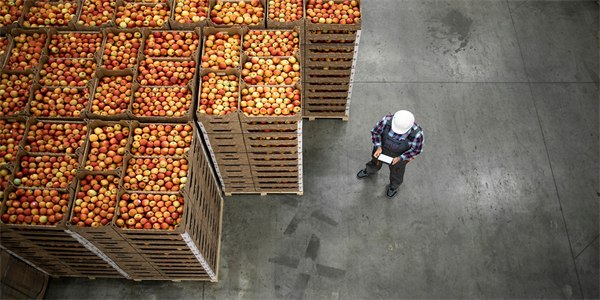
Food and beverage manufacturers schedule production under some of the tightest conditions in manufacturing. Allergen and hygiene rules decide which products can follow which. Shelf life limits how early product can be made. Promotions and seasons change demand quickly, while a growing range of recipes, pack sizes, and labels multiplies the number of changeovers. A schedule that looks feasible at an aggregate level can quickly become impossible once these constraints are applied.
So the real test for scheduling software in food and beverage is not whether it can produce a schedule.
It is whether that schedule is safe to run, fresh enough to ship, and easy to change when a promotion lands or an ingredient arrives late.
This guide explains what food and beverage manufacturers should expect from production scheduling software in 2027, what makes scheduling in this industry different, why the stakes are rising, and which questions to ask when building a shortlist.
Production scheduling software for food and beverage manufacturing determines when, where, and in what sequence products are made and packed across whole production, processing, and packaging lines. It is challenging because cleaning and allergen rules depend on sequence, products have limited shelf lives, demand shifts with promotions and seasons, and the same product may be packed in many different formats.
In practice, the platforms worth shortlisting for 2027 should be able to:
This guide is written for the people who turn demand into line schedules: production planners, plant and operations managers, and supply chain leaders across food and beverage.
Dairy manufacturers produce products with varying shelf lives, from highly perishable fresh dairy products to longer-lasting UHT milk and aged cheeses. Milk supply and quality can change from day to day, lines need frequent cleaning, and many products share the same lines even though their recipes and pack formats differ.
Before anything is packed, milk passes through tanks for steps such as pasteurization and fermentation. If a tank is full, still in use, or being cleaned, the filling line has to wait. That is why many dairies use flow scheduling to plan the tank stages, alongside production scheduling for filling and packaging.
Brewers and soft drink, juice, and water producers often run high-speed filling and packaging lines with many flavors, container types, and pack sizes. Seasonal peaks, promotions, and freshness requirements make sequencing and line allocation critical.
In brewing, fermentation and conditioning tanks, yeast timing, and alignment with bottling add another layer, as we explored in When Beer Stops Flowing.
Bakery, confectionery, and snack manufacturers manage large product ranges, allergen-containing ingredients, and frequent changeovers between flavors and pack formats. Seasonal and promotional ranges can change the product mix significantly through the year.
Producers of sauces, ready meals, frozen foods, and other packaged products balance multi-stage production, shared equipment, and strict hygiene rules with a wide variety of recipes and private-label and branded variants.
Each segment weighs these challenges differently, so a practical evaluation starts with your own lines, products, and food safety rules rather than a vendor's feature list. For more on ICRON's work in the sector, visit our Food & Beverage industry page.
Food and beverage manufacturing combines the sequencing challenges of process industries with the product variety and service expectations of consumer goods:
Allergen, hygiene, and certification rules (such as organic, halal, or kosher) determine which products can follow which, and what cleaning is required in between.
Lines must be cleaned between product runs, and the time required depends on what ran before and what runs next.
Products cannot be made too early, and customers often require a minimum remaining shelf life on delivery.
Promotions, seasons, weather, and new product launches can change volumes at short notice.
The same product may be packed in many sizes, multipacks, languages, and private-label versions.
Quality, yield, and availability can differ between batches, suppliers, and seasons.
A delay in processing affects packaging lines, and a packaging constraint can block upstream production.
Illustrative. "Cleaning takes real capacity. Lines must be cleaned between product runs, and the time required depends on what ran before and what runs next."
When software cannot represent these realities, the gaps are filled by spreadsheets, phone calls, and the memory of a few experienced planners.
A food and beverage schedule is only useful if it reflects what the plant can actually run. The software should be able to model:
A schedule that ignores these constraints may look feasible on paper but fail on the plant floor. ICRON Production Scheduling, for example, supports multi-resource scheduling across machines and labor, dynamic shift assignments, and alternative resource prioritization.
In food and beverage production, the sequence often determines how much cleaning is required. Scheduling software should incorporate:
Cleaning should be part of the schedule from the start rather than added afterward. The objective is to find sequences that reduce total cleaning time while never compromising food safety.
Making product too early can be as costly as making it too late. Scheduling software should consider:
Freshness should be managed by the schedule itself, not checked once production is complete.
Illustrative. "Making product too early can be as costly as making it too late."
Demand in food and beverage can shift quickly. The software should help planners:
The relevant question is not only whether a promotion can be produced, but what it displaces and what that means for service on other products.
In food and beverage manufacturing, packaging configurations, labeling requirements, and market-specific variations can significantly increase the number of finished product variants, adding complexity to production scheduling. Scheduling software should handle:
Illustrative. "The same product may be packed in many sizes, multipacks, languages, and private-label versions."
Grouping similar variants intelligently can significantly reduce changeovers while still meeting delivery dates. This becomes more important as packaging rules such as the EU PPWR lead to redesigned and transitional pack formats.
Ingredient quality, yield, and availability can vary between batches, suppliers, and seasons. A platform should:
When a material problem appears, planners should be able to see which orders it affects and what alternatives exist.
A line breaks down. An ingredient fails a quality check. A key retailer places a rush order. When conditions change, the software should:
ICRON Production Scheduling, for example, can automatically resequence tasks when disruptions occur and highlight impacted orders, so planners can respond without rebuilding schedules manually.
There is rarely one universally optimal schedule. Food and beverage planners regularly need to answer questions such as:
Software should allow planners to compare alternative schedules side by side on service, utilization, and production flow, and to align decisions with customer priorities and service commitments before finalizing the schedule.
AI is becoming part of everyday scheduling, from resequencing after disruptions to comparing scenarios and flagging risks early. In food and beverage, AI is only valuable if it works within the plant's real capacity, food safety, and shelf-life constraints. Buyers should look for:
The real value lies in combining intelligent decision support with constraint-based optimization to deliver practical, reliable, and actionable schedules.
In dairy, brewing, beverages, and other liquid processing, product moves through interconnected tanks and lines before it reaches filling. Scheduling these stages means modeling:
ICRON Flow Scheduling is designed for these tank-based environments, with dedicated solutions for dairy and breweries. It complements detailed production scheduling of filling and packaging lines, so upstream processing and downstream packing work from one connected plan.
Food and beverage scheduling depends on accurate, current data and a clear record of decisions. The software should connect with ERP and execution systems, publish executable schedules back to the plant floor, and work with data such as:
Reliable scheduling depends on data quality, which can be progressively improved throughout implementation. The software should also provide visibility into schedule changes, approvals, and overrides, enabling planners to understand how decisions were made and maintain consistency across planning and execution. Integration with ERP and execution systems helps ensure that schedules remain aligned with actual production conditions.
Food and beverage manufacturers rarely start from a blank page. Most shortlists mix specialist scheduling and planning vendors with ERP-based options and manufacturing operations suites. Enterprise options that food and beverage teams commonly evaluate include:
Production scheduling built on an AI-native decision execution platform with a multi-solver optimization core.
A supply chain planning platform known for concurrent planning.
Supply chain planning with a strong presence in process industries.
Scheduling capabilities within its ERP and supply chain portfolio.
Scheduling as part of its manufacturing operations software portfolio.
Treat this as a starting point rather than a ranking; it is neither ordered by preference nor complete. The more useful test is how each option performs against your own lines, food safety rules, and pack formats, using your data and your hardest scheduling scenarios.
ICRON Production Scheduling supports food and beverage manufacturers with detailed, finite-capacity scheduling that generates feasible production schedules respecting capacity limits, changeover requirements, and product sequencing constraints. It is built on the AI-Native Decision Execution Hub, which combines optimization expertise, a proprietary multi-solver optimization core, and governed AI agents.
ICRON is also recognized by leading industry analysts, including Gartner, IDC, and Forrester.
For tank-based and liquid processing, ICRON Flow Scheduling complements Production Scheduling. It coordinates material movement, cleaning cycles, and processing capacity; explicitly models tank capacities, flow rates, and routing rules; incorporates CIP and sanitization rules into scheduling logic; and uses a native digital twin to compare scenarios before execution.
In practice, a global beer manufacturer used ICRON Production Scheduling and Production & Capacity Planning to schedule end to end across brewing, filtration, and packaging, with SAP integration. The company increased capacity utilization by up to 5%, improved the balance between freshness and inventory coverage days, and gained faster, clearer scenario evaluation.
For food and beverage teams, that means schedules built around food safety, cleaning, and freshness from the start, and planners who can respond quickly when a promotion, a late delivery, or a line stoppage changes the plan.

See how ICRON Production Scheduling sequences allergens and changeovers, protects shelf life, and responds when plans change.
It depends on what your plants make and how. A beverage bottler, a dairy, and a snack manufacturer will each prioritize different capabilities based on their products, lines, food safety rules, shelf-life requirements, and customer commitments. Buyers should look for software that can model these constraints accurately, sequence for allergens and cleaning, reschedule quickly when conditions change, and integrate with existing ERP and execution systems.
Food and beverage scheduling must respect allergen, hygiene, and certification rules that determine production sequences, along with cleaning requirements, limited shelf lives, and fast-changing demand from promotions and seasons. Many manufacturers also produce the same product in many pack formats, which multiplies changeovers. Generic scheduling approaches may not represent these constraints without manual workarounds.
Advanced scheduling software builds allergen, hygiene, and cleaning rules into sequencing. It knows which products can follow which, how long each changeover or clean takes, and which transitions require a full washdown. The optimizer can then choose sequences that reduce total cleaning time while still meeting every food safety requirement.
Scheduling software can use shelf-life rules, customer freshness requirements, and time-based inventory projections to decide when products should be made. This helps planners avoid producing too early, reduce write-offs, and ensure products reach customers with enough remaining shelf life.
Yes. Advanced scheduling software allows planners to model promotional and seasonal volumes, compare scenarios, and see what each option displaces. This helps balance building ahead against freshness limits while protecting service on core products.
Start with the plant’s real constraints: lines and pack formats, allergen and cleaning rules, shelf life, and demand patterns. Then evaluate vendors on your own data, using real promotional and disruption scenarios rather than generic demos. Integration with ERP and execution systems, time to value, and references in comparable food and beverage environments should also shape the shortlist.
Food and beverage scheduling comes down to making the right product, at the right time, in a sequence that is safe to run. The software that does this well builds food safety, cleaning, and freshness into every sequence, handles the full range of products and pack formats the business sells, and helps planners respond when demand or supply changes.
In 2027, food and beverage manufacturers are preparing for FDA traceability requirements that take effect in July 2028, adapting packaging to new EU rules, responding to shifting consumption patterns, and operating with fewer experienced operators, while investment in AI accelerates. Scheduling software needs to model lines and constraints accurately, compare decisions before they are executed, and apply AI within rules the business defines.
ICRON Demand empowers businesses to navigate uncertainty through accurate forecasting using AI-driven methods that take into consideration historical data, real-time updates, and fast adaptation to changing market conditions and disruptions.
READ MORE